Pediatrics
Congenital malformations, neurometabolic disease, pediatric MS and mimics, and non-accidental trauma. 10 topics.
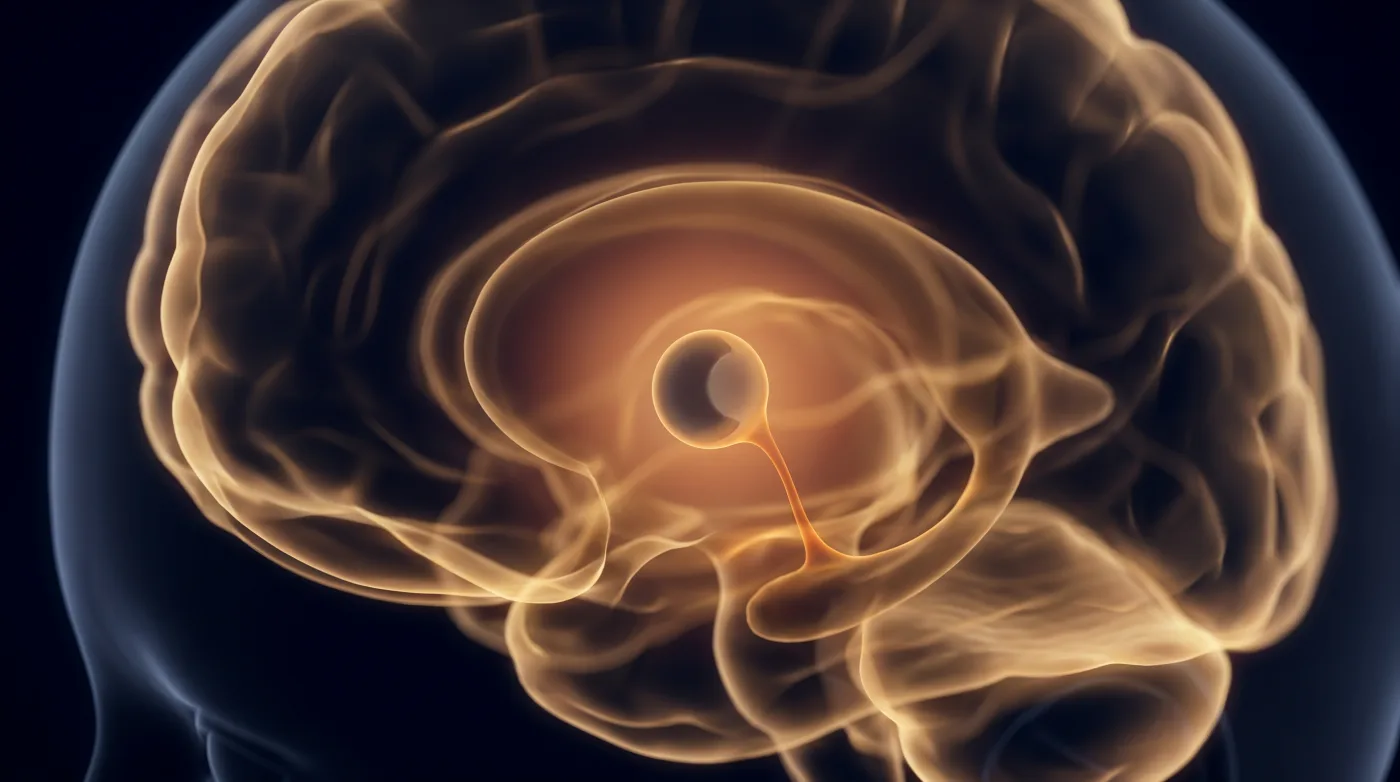
Absent Posterior Pituitary Bright Spot: Always Abnormal
In a child an absent posterior pituitary bright spot is always abnormal and demands explanation: decide present vs ectopic vs truly absent…
CNS Teratoma: Midline Fat in a Young Patient
The recognizable signature is a midline, heterogeneous, multi-tissue mass containing macroscopic fat in a young patient — fat in the right midline…
Congenital Brain Anomalies: Anchor on the Corpus Callosum
Anchor every CNS malformation read on the corpus callosum and refuse satisfaction-of-search, then separate the cortical look-alikes by a few…
Non-Accidental Trauma: A Constellation, Never One Finding
No single finding is diagnostic of abuse — the determination is a constellation of imaging plus physical findings plus clinical history, made by the…
Otic Capsule Malformations: How Far Development Got
Inner-ear malformations sort by how far cochleovestibular development got before it arrested (Sennaroglu) — so read the cochlea (is it there, does it…
Pediatric Intracranial Infection: Find the Drainable Collection
On a sick child, the unmissable call is a drainable, rapidly-lethal pyogenic collection (epidural/subdural empyema or abscess). The single unifying…
Pediatric MS Mimics: Which Demyelination Is It?
The job isn't 'is there demyelination' but which one — MS, NMOSD, MOGAD, and ADEM diverge on antibody testing, spine protocol, and immunotherapy.…
Pediatric Neurometabolic Disease: Hypomyelination vs Destruction
Don't chase the enzyme — answer two sequential questions the genetics workup turns on: (1) is this too little myelin ever made (hypomyelination) or…
Pediatric Sellar Region: Work It as a System
Work the pediatric sella as a system: find the posterior bright spot and place it (intrasellar vs ectopic high along the median eminence vs absent)…